
KDP stands for Kindle Direct Publishing, Amazon’s platform for self-publishing ebooks, paperbacks and hardcovers. As AI writing and image tools have become common, KDP has added a question about AI content to its publishing process.
Many new authors are unsure what that question means, which tools it covers or how to answer it. This guide explains the key terms and offers practical tips, though policies can change, so always confirm details in KDP’s current content guidelines.
Why KDP asks about AI
KDP’s guidelines ask publishers to tell Amazon when a book contains AI-generated content. The aim is transparency about how the books on its store were made.
The disclosure is not a ban. AI-generated content can be published, but it must be disclosed, and you remain responsible for making sure it meets all of KDP’s other content guidelines, including those on rights and quality.
That responsibility matters. If an AI tool reproduces material that belongs to someone else, or produces content that misleads readers, the publisher is still accountable for what appears under their name.
Rules around AI are still developing across the publishing industry. That is one more reason to treat any summary, including this one, as a starting point rather than the final word.
AI-generated versus AI-assisted
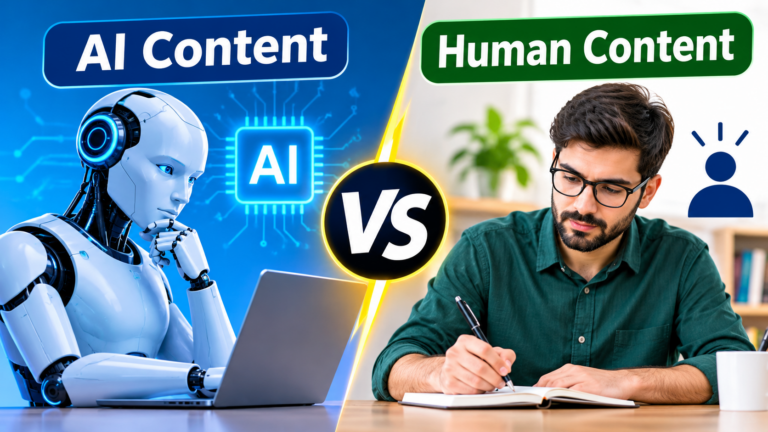
The most important distinction in KDP’s guidance is between AI-generated and AI-assisted content. Only the first needs to be disclosed.

AI-generated content means text, images or translations that were created by an AI tool. This applies even if you edited the output substantially afterward.
AI-assisted content means you created the work yourself and used AI tools to help along the way, for example to edit, refine, check for errors or brainstorm ideas. KDP does not require you to disclose AI-assisted content.
The deciding question is who created the content. If the words or images began with you, AI help along the way is assistance; if they began with the tool, they count as generated, however much you changed them later.
Common examples
- A novel where an AI tool wrote the chapters from your prompts: AI-generated text, so disclose it.
- A cover image created with an image generator: an AI-generated image, so disclose it.
- A translation of your book produced by an AI tool: an AI-generated translation, so disclose it.
- A manuscript you wrote yourself and ran through an AI grammar or style checker: AI-assisted, with no disclosure required.
- A book you wrote after using a chatbot to brainstorm plot ideas or chapter titles: generally AI-assisted.
Edge cases do exist. If you are unsure which category your book falls into, reread the official definitions carefully, and when in doubt, lean toward transparency.
Where the question appears during publishing
The AI question appears in the content section of the title setup process, alongside your manuscript and cover uploads, before the book goes live. You are asked whether the book contains AI-generated content and, if it does, which parts.
Make sure your answer is accurate for each format you publish. If you later replace AI-generated material with your own work, or the reverse, update your answer to match.
Practical tips for self-publishers
Keep simple records of how your book was made: which tools you used, for what, and when. Notes like these make the disclosure question easy to answer and are helpful if questions come up later.
If you hire a cover designer, illustrator or translator, ask them directly whether they used AI tools. Their choices affect your answer, so it is worth getting a clear reply in writing.
Check your cover separately from your text. Many authors write every word themselves but use generated art, and that image still counts as AI-generated content.
For a fuller breakdown of the definitions and common edge cases, this overview of KDP AI disclosure rules is a useful companion to the official guidelines. Read the two together if your book mixes your own writing with generated material.
Review KDP’s content guidelines before each new release. Platform policies on AI are still evolving, and what was true for your last book may have changed.
The short version
If an AI tool created text, images or translations in your book, disclose it. If you created the work and used AI only to edit, polish or brainstorm, KDP does not ask you to disclose that.
The practical takeaway: before you click publish, list every tool that touched your book, sort each use into generated or assisted, and answer the KDP question based on that list. Then check the current KDP content guidelines once more, since the official wording is always the final word.