Visual storytelling relies on a blend of narrative and artistry to engage viewers. One of the most important creative tools in this craft is blur. By deliberately incorporating blur, artists and designers can control what the viewer notices first, infuse scenes with a sense of speed or stillness, and establish an emotional tone.
Thanks to emerging technologies, tools like blur background AI have made these techniques more accessible, empowering both professionals and hobbyists to elevate their visual projects with nuanced, intentional effects.
Understanding how to implement blur, whether by softening backgrounds, simulating camera lenses, or suggesting motion, opens up endless possibilities in both static and dynamic media. Blur goes far beyond mere aesthetics. It serves as a narrative device that shapes how an audience interacts with an image or sequence, guiding the story without words.
Directing Attention with Blur
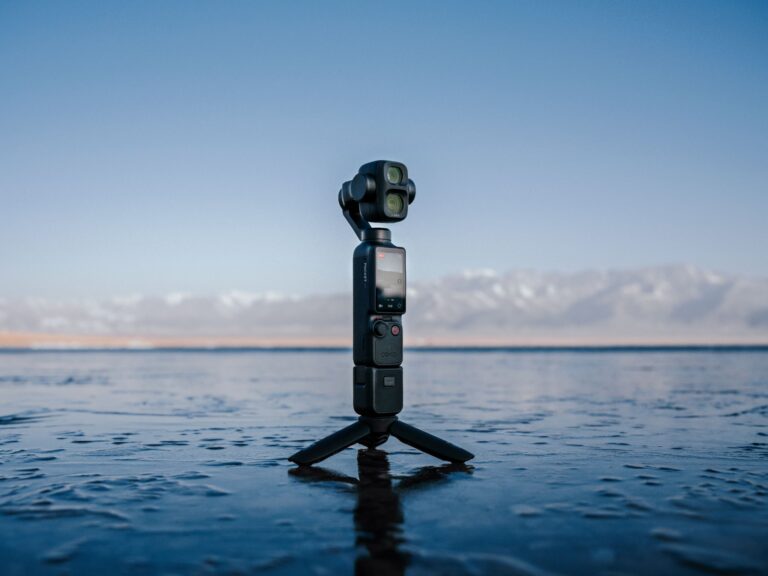
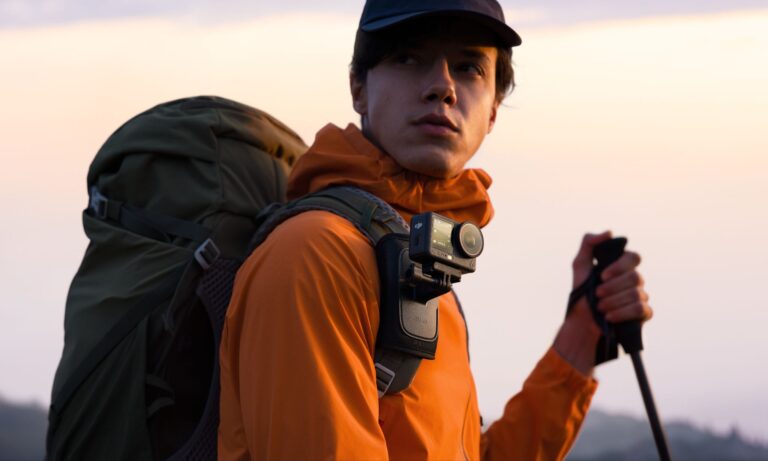
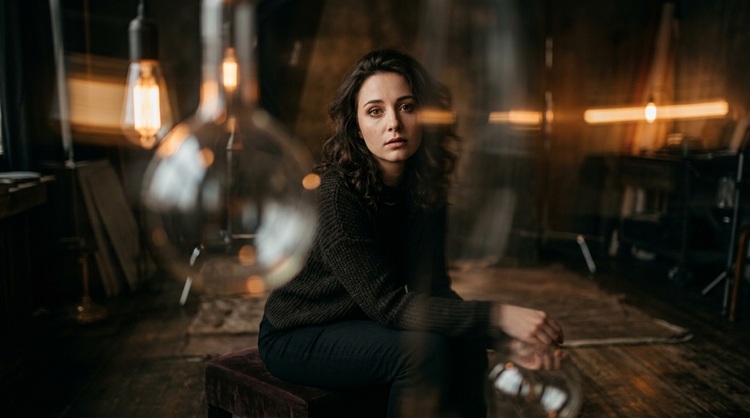
Blur has long been a strategy for leading the viewer’s eye to a focal point. Artists might keep a character’s face sharp while backgrounds soften, as is often seen in portrait photography and film close-ups. Filmmakers and photographers manipulate the depth of field to achieve this effect, crafting a natural hierarchy within the frame.
When executed intentionally, this focused approach not only clarifies the subject but also creates an inviting sense of depth, making the story more immersive. Modern digital tools have streamlined the process, allowing creators to apply and refine blur with greater precision even after the shot has been captured.
Software enhancements mean that retouching, masking, and fine-tuning focal areas now happen seamlessly, empowering anyone to experiment or master the technique.
Conveying Motion Through Blur
Motion blur is fundamental for capturing the sensation of speed, movement, or even frenetic chaos. This effect is most commonly found in action scenes, sports photography, and certain types of animation.
By mimicking the smearing of fast-moving objects across a screen or photo sensor, motion blur tricks the eye into perceiving velocity and energy. It helps bridge the gap between still images and dynamic reality, letting a static frame pulse with implied action.
For example, in the acclaimed animated series “Love, Death & Robots,” the studio expertly weaves motion blur into battle sequences to intensify each swing and leap.
These subtle choices set the rhythm, amplifying the drama and immersion for an audience. In gaming and digital environments, motion blur also softens abrupt movements, completing the illusion of a natural world in flux.
Creating Depth with Depth of Field
Depth of field is a term borrowed from photography that describes the portion of a scene that appears crisply focused. Artists can emphasize spatial relationships by keeping important foreground or midground subjects sharply rendered while blurring out-of-focus regions.
This mirrors the human eye’s natural tendency to focus and helps storytellers create three-dimensional illusions on a two-dimensional plane. In digital art, post-production tools make it easy to simulate camera lenses, making background elements hazy while keeping lead characters and key details pristine.
This subtle technique draws attention yet also envelops the scene in a cinematic mood. Properly used, depth of field can evoke memories, suggest intimacy, or convey emotional distance within a story.
Blending 2D and 3D Blur Techniques
Modern animation pipelines often blend traditional 2D effects with cutting-edge 3D visualizations, creating signature hybrid looks. Studios such as Seraphim have pioneered animation techniques that blend blurred painterly brushstrokes with volumetric 3D renders, crafting images that seem to step directly out of imaginative storyboards.
Leveraging this hybridization, artists can transcend natural limitations of photography, conjuring visual metaphors and bold design statements. This creative combination offers the best of both worlds: the expressive, abstract qualities of traditional art and the physical realism of digital rendering. For further exploration, see industry insights on Animation World Network.
Technological Advancements in Blur Applications
The last decade has seen significant leaps in content creation software. Tools such as DaVinci Resolve Studio and Fusion Studio bring highly detailed, customizable blur effects within reach for solo creators and large-scale productions.
Using these platforms, artists fine-tune every pixel of focus, layering and masking with confidence that the final image will align with their creative vision. Automated AI-powered approaches, like those being developed for accessible online platforms, further democratize these capabilities for users of all skill levels.
One notable example is the short film “Babiru,” where the artistry of color grading and precision of blur effects contributed to a unique tonal palette that set the project apart on the festival circuit. These technologies not only save time but unlock new forms of visual storytelling, as detailed by Creative Bloq.
Challenges and Considerations
Effective use of blur requires care and creative restraint. Misuse can wash out significant details, making scenes appear flat or confusing. Over-reliance on blur to disguise imperfections may also backfire, leading to visuals that lack crispness or clarity where it is needed most.
The psychological response to blur can vary. While it can denote dreaminess or focus, it might also be jarring if applied inconsistently within a scene or sequence. Storytellers should always ask how blur enhances the intended message or mood.
Intentional placement and the strength of the blur can amplify emotion, support pacing, and guide attention in ways no other effect can.
Conclusion
Studio blur techniques are fundamental to impactful visual storytelling. They offer powerful ways to focus attention, convey movement, and create a sense of depth in both static and moving images.
With thoughtful application and modern technology, the expressive potential of blur continues to expand across genres and platforms. As digital tools and AI-driven enhancements evolve, creators will find even more opportunities to define their visual voice and captivate audiences with artistry and precision.
By mastering techniques such as motion blur, background blur, and selective focus, photographers and visual artists can transform ordinary compositions into engaging experiences.
These methods allow creators to evoke emotion, highlight important subjects, and add a sense of atmosphere to their work. Whether used for portraits, commercial photography, or creative projects, intentional blur remains a valuable artistic tool that enhances storytelling and helps images connect more deeply with viewers.