What Is CEAT Full Form?
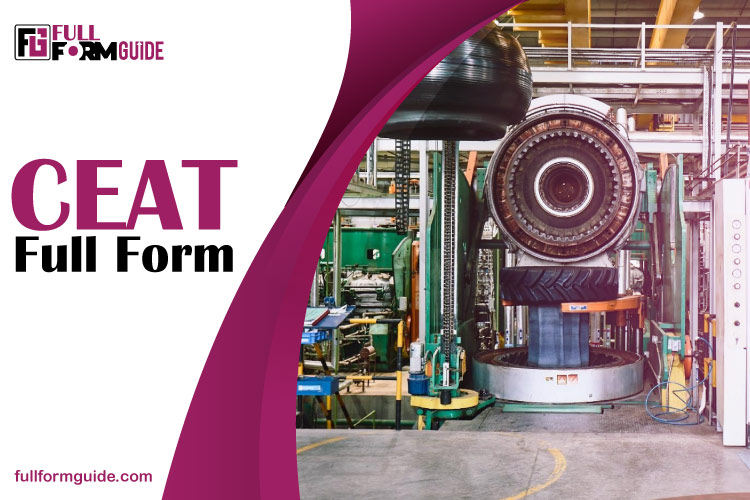
The CEAT full form is Cavi Elettrici e Affini Torino.
It was the original name when the company first started in Italy. The name refers to electrical cables and related products that the company produced in the beginning.
History of CEAT: From Italy to India
CEAT began its journey in 1924, in Turin, Italy. At that time, the company did not manufacture tyres. It focused on cables and industrial items.
The story changed in 1958 when CEAT partnered with Tata Group in India. This partnership allowed the company to enter the tyre industry and supply to Indian roads. Later, the Indian company RPG Group took ownership, making CEAT a major tyre brand in India and many other countries.
CEAT’s growth shows how an international company can become deeply connected with local markets by focusing on quality and customer needs.
CEAT Products and Expansion in India
The company now produces many types of tyres for:
- Motorcycles and scooters
- Cars and SUVs
- Trucks and buses
- Off-road vehicles
- Farm and agricultural machines
- Industrial machinery
CEAT tyres are widely available in cities and small towns. They are used in commercial transport and personal vehicles because they provide grip, durability, and smooth performance on Indian roads.
The company also exports tyres to over 110 countries, making India a key manufacturing base for global markets.
CEAT and Sports Sponsorships
CEAT also became popular by supporting sports in India. People often recognize the CEAT Cricket Awards, which honor outstanding performances by international players.
Cricketers like Rohit Sharma and Shikhar Dhawan have used CEAT-branded bats, helping the brand get strong visibility.
This smart marketing strategy builds trust among fans because cricket has a huge audience in the country.
Technology and Safety Initiatives
The company uses advanced rubber technology and constant testing to improve tyre safety. Its research focuses on:
- Better wet-road control
- Lower noise
- Higher mileage
- Better braking
- Fuel efficiency
CEAT factories are designed with modern technology to create sustainable and high-quality tyres. Safety is the first priority because tyres play a major role in preventing accidents.
Role of CEAT in India’s Mobility Growth
With more vehicles on Indian roads, the demand for strong tyres keeps rising. CEAT contributes to transport development by:
- Offering a wide range of sizes
- Supporting commercial logistics
- Providing affordable options
- Creating job opportunities across the country
Road safety campaigns are also a part of its mission. The brand works to promote responsible driving for all age groups.
Manufacturing Strength
CEAT operates large production plants in states like:
- Maharashtra
- Tamil Nadu
- Gujarat
These facilities follow international standards and support the company’s global export activities.
Sustainability Efforts
CEAT also focuses on reducing environmental impact. It invests in:
- Recycling processes
- Energy-efficient systems
- Eco-friendly materials
These steps show its commitment to a greener future.
Why CEAT Stands Out
CEAT continues to grow because it understands:
- Road conditions in India
- Customer expectations
- Importance of innovation
- Strong brand visibility through sports
This combination makes CEAT one of the most trusted tyre brands in India and worldwide.
Conclusion
The CEAT full form is Cavi Elettrici e Affini Torino, showing its Italian roots. The company’s journey from cable manufacturing to leading tyre production proves how innovation and strategic partnerships support long-term success. Today, CEAT plays an important role in India’s transportation sector and continues to focus on safety, quality, and trustworthy performance.