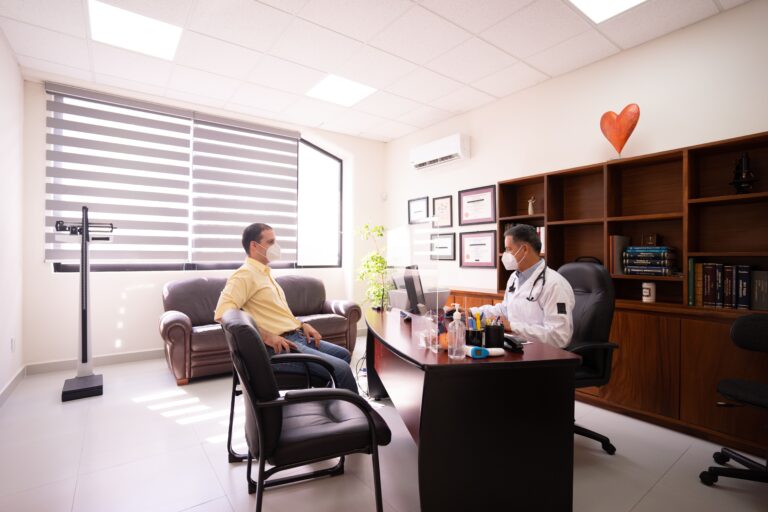

The ekg full form is Electrocardiogram, a widely used diagnostic test to examine the electrical activity of the heart.
It helps doctors evaluate how well the heart is pumping and whether the heartbeat is regular. It is quick, non-invasive, and painless, making it essential in cardiology, emergency medicine, and preventive healthcare.
What Exactly Does an EKG Measure?
The heart has a natural electrical conduction system that allows it to pump blood throughout the body. If there is a disturbance in this system, the heart may beat too fast, too slow, or irregularly.
An EKG monitors:
- Heart rhythm
- Electrical impulses passing through heart muscles
- Signs of poor blood flow
- Evidence of past or upcoming heart attacks
By examining the waveforms on an electrocardiogram, healthcare providers can detect multiple cardiac disorders early.
Bold LSI: arrhythmia, ischemia, cardiac monitoring, vital signs, pulse irregularities
ekg full form in Healthcare (H2 placement)
The abbreviation EKG came from the original German spelling:
Elektrokardiogramm
Medical professionals often use ECG interchangeably, as both terms represent the same heart test.
EKG/ECG helps in:
- Diagnosis of heart disease
- Monitoring treatment progress
- Checking heart before surgery
- Healthcare screening for athletes and elderly patients
There is no difference between EKG and ECG in method, procedure, or results.
Why Do Doctors Perform an EKG?
A doctor may recommend an EKG if a person experiences:
- Chest pain or tightness
- Frequent palpitations
- Sudden fainting
- Severe shortness of breath
- Unexplained tiredness
- High blood pressure history
This test reveals harmful conditions such as coronary artery disease, heart failure, and arrhythmia.
Types of EKG Tests
Different forms of EKG help evaluate the heart under multiple conditions.
1. Resting EKG
Patient lies still to get baseline heart activity.
2. Stress EKG
Recorded while walking or running on a treadmill to observe how the heart reacts under physical stress.
3. Holter Monitor
A wearable device tracks 24–48 hours of heart function during daily life.
4. Event Recorder
Used for patients who have symptoms occasionally.
They press a button when discomfort occurs.
Bold LSI: diagnostic accuracy, heart performance, wearable monitoring, exercise response
How Does EKG Equipment Work?
The process includes:
- Placing electrodes on the chest, arms, and legs
- Machine captures electrical signals
- Produces a printed or digital graph
- Doctor studies wave patterns for abnormalities
The test takes only 5–10 minutes, providing instant information.
Diseases Identified Through EKG
- Heart attack damage
- Blocked arteries
- Electrolyte imbalance
- Enlarged heart chambers
- Irregular electrical pathways
- Drug side effects affecting the heart
EKG is extremely important in emergency assessment to save lives.
Who Needs EKG More Frequently?
People with:
- Diabetes
- High cholesterol
- Family history of cardiac problems
- Smoking or alcohol habits
- Sedentary lifestyle and obesity
- Stress disorders
An EKG ensures accurate monitoring and prevention.
EKG vs Other Heart Tests
| Feature | EKG | Echocardiogram |
| Measures | Electrical signals | Heart structure |
| Method | Uses electrodes | Uses ultrasound |
| Duration | Few minutes | 20–30 minutes |
| Use | Fast detection of arrhythmia and heart attack | Detailed view of heart muscles |
Both tests complement each other in clinical treatment.
Conclusion
To summarize, the ekg full form is Electrocardiogram, and it is one of the most valuable tests for checking heart rhythm, detecting harmful cardiac conditions, and protecting patient health with early diagnosis. EKG is safe, affordable, and available in almost every medical center, making it an essential part of global healthcare.