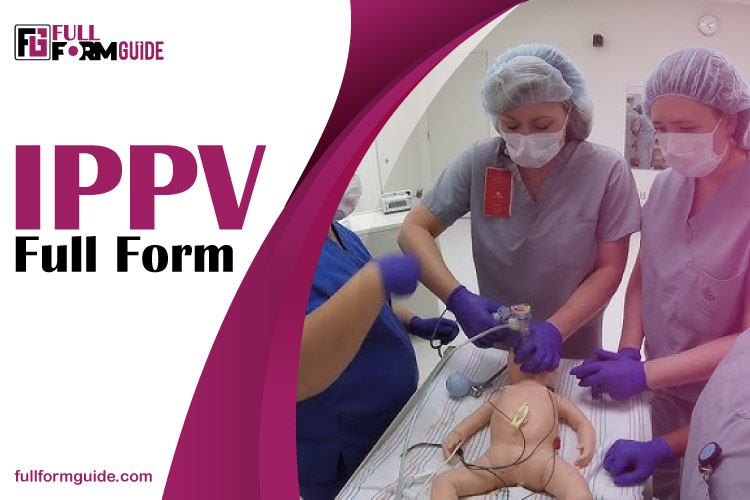
The IPPV full form is Intermittent Positive Pressure Ventilation. It means a ventilator delivers air into the lungs using controlled positive pressure. The air pushes into the lungs at regular intervals.
It supports patients who have weak breathing muscles or blocked breathing pathways. Doctors use IPPV during surgeries when anesthesia affects breathing control. It is also used in intensive care units when someone suffers from severe lung problems. Understanding the meaning helps remove fear when seeing a ventilator.
What People Actually Search for?
People searching for IPPV full form often want a clear explanation related to medical care and lifesaving treatment. Many patients and their families hear doctors use this term during emergencies, surgeries, or respiratory support.
Furthermore, it becomes confusing when you do not know what the medical staff means. It is helpful to understand that IPPV is a very important technique used to help people breathe when they cannot breathe properly on their own.
Healthcare providers depend on advanced ventilation methods, especially when the human body struggles to maintain oxygen levels. IPPV plays a key role in such situations. It gives peace of mind when you understand what is happening during treatment.
How Does IPPV Work in the Human Body?
It works by sending oxygen-rich air into the lungs. The ventilator pushes air inside and then allows the lungs to relax again. The positive pressure opens the lung air sacs that provide oxygen to the bloodstream. It prevents the lungs from collapsing and maintains a stable breathing rhythm.
IPPV copies natural breathing patterns but gives stronger support. It helps the lungs rest until they recover enough strength to work normally again. It is a safe method when used by trained healthcare professionals.
When Is IPPV Used in Medical Treatment?
Doctors use Intermittent Positive Pressure Ventilation during critical situations. It becomes necessary when breathing becomes slow, weak, or uneven. Patients with asthma attacks, pneumonia, traumatic injuries, or chronic lung disorders receive IPPV support. It keeps their breathing flowing in the right pattern.
Operations involving the chest, heart, or brain may require controlled breathing support. IPPV also helps newborn babies who struggle to breathe right after birth. It gives life support when oxygen levels fall below the normal range.
Why IPPV Is an Important Life Support Technique
It gives patients the chance to fight the illness without stressing their lungs. IPPV improves oxygen supply and helps remove harmful carbon dioxide from the body. The ventilator adjusts pressure and timing according to patient needs.
Healthcare teams monitor the settings closely. It avoids discomfort while still providing strong respiratory support. The goal is always to return to natural breathing once the patient becomes stable.
Different Modes of IPPV and Flexibility in Care
It offers flexible modes depending on the condition. Some modes help completely, while others only assist breathing. Doctors select the right mode for safety and comfort. Patients receive personalized care that changes as improvement appears.
The technology behind IPPV continues to improve. Modern machines are smarter and more responsive to patient needs. It ensures better survival chances during emergencies.
Conclusion
Understanding the IPPV full form helps reduce stress when hearing complex medical words. Intermittent Positive Pressure Ventilation is a lifesaving method that supports breathing during critical moments. It keeps the lungs working when the body cannot manage alone.
IPPV gives doctors more time to treat diseases and helps patients recover safely. Knowing its meaning and purpose brings confidence during medical care.