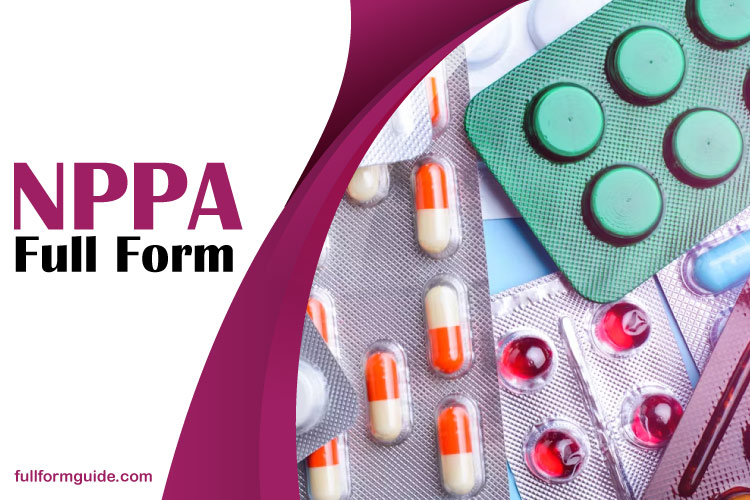
The NPPA full form is National Pharmaceutical Pricing Authority (राष्ट्रीय औषधि मूल्य निर्धारण प्राधिकरण).
It is a government organization under the Ministry of Chemicals and Fertilizers in India. The authority plays a major role in controlling and monitoring the prices of medicines to make them affordable for the public.
Furthermore, it ensures that no pharmaceutical company charges unfairly high prices for essential drugs. Many people searching for “NPPA full form” want to understand how this body impacts healthcare costs in India.
Origin and Establishment of NPPA
The NPPA was established in 1997 by the Government of India. It was created under the Department of Pharmaceuticals, following the guidelines of the Drugs (Prices Control) Order (DPCO).
The main idea behind forming NPPA was to prevent overpricing of medicines and to protect consumers. It works independently but is accountable to the government for its actions. The organization keeps the balance between public interest and the growth of the pharmaceutical industry.
Role and Responsibilities of NPPA
The National Pharmaceutical Pricing Authority is responsible for setting and revising the prices of essential medicines covered under the DPCO. It also monitors the prices of other medicines to ensure they are within reasonable limits. If companies charge higher prices than allowed, NPPA takes strict action and recovers the extra amount.
It also ensures the availability of medicines across the country without shortage. Through regular price updates and public notices, it maintains transparency in the pharmaceutical market. Moreover, NPPA also provides data support to various government departments involved in policy-making related to health and pharmaceuticals.
Importance of NPPA in Public Health
The NPPA plays a crucial role in ensuring that medicines remain affordable for common citizens. Controlling prices prevents exploitation by pharmaceutical companies. This helps in making essential medicines accessible even to low-income families. For instance, life-saving drugs for diseases like cancer, diabetes, and hypertension are under the strict price control list maintained by NPPA.
Without NPPA, companies could set extremely high prices, making it difficult for patients to buy necessary treatments. Therefore, the authority acts as a guardian for patients and promotes equity in healthcare.
NPPA Full Form in Government Policy Context
In the Indian policy framework, the NPPA supports the government’s goal of universal health coverage. It contributes to schemes like Jan Aushadhi, which provides affordable generic medicines to the public. The NPPA also collects and analyzes data related to medicine pricing trends. This information is used for making policy decisions that improve drug availability and affordability.
Furthermore, it coordinates with other agencies like the Central Drugs Standard Control Organization (CDSCO) and the Pharmaceuticals Export Promotion Council (Pharmexcil) to maintain harmony in drug regulation.
Challenges Faced by NPPA
Although NPPA has a strong mandate, it faces multiple challenges. The pharmaceutical industry often resists strict price control policies. There are also issues related to the identification of essential drugs and updating their prices regularly. The authority must balance between making medicines affordable and allowing companies enough profit to sustain operations.
Sometimes, market fluctuations and raw material costs make it difficult to maintain stable prices. Despite these challenges, NPPA continues to perform effectively through constant monitoring and revision.
Achievements and Impact of NPPA
Since its inception, NPPA has brought many positive changes to India’s healthcare pricing system. It has successfully reduced the cost of several life-saving medicines and medical devices. The authority’s efforts have directly benefited millions of patients by lowering their treatment costs.
Its digital initiatives, such as the Pharma Sahi Daam mobile app, allow citizens to check medicine prices easily. The app provides transparency and helps patients avoid overpaying for their prescriptions. Such innovations have strengthened NPPA’s role in public health governance.
NPPA’s Future Goals and Vision
In the coming years, NPPA aims to expand its control mechanism to include more drugs and medical devices. It also plans to integrate advanced digital tools for better monitoring and data analysis. The authority is working on improving coordination with pharmaceutical companies to ensure price stability without compromising quality.
Its long-term goal is to create a fair pricing system that supports both patients and the pharmaceutical industry. With continuous reforms and technology adoption, NPPA is expected to become even more efficient in serving the healthcare needs of the nation.
Conclusion
The NPPA full form, National Pharmaceutical Pricing Authority, represents India’s commitment to affordable healthcare. It ensures that essential medicines and devices remain within the financial reach of every citizen.
By controlling drug prices, NPPA upholds both public interest and market fairness. As healthcare demands continue to grow, the NPPA’s role will remain vital in maintaining affordability and accessibility for all.