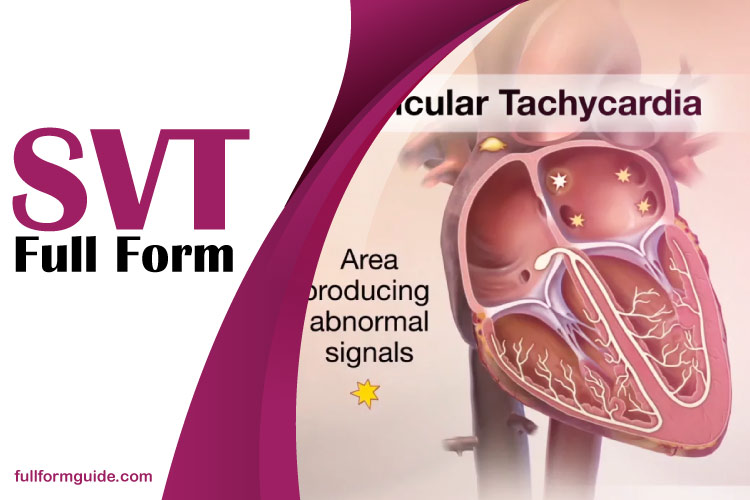
The SVT full form is Supraventricular Tachycardia. Many people search for this term because they feel sudden, fast heartbeats and worry about their health.
It becomes scary when the heart beats very quickly without any clear reason.
Doctors call this fast heartbeat “arrhythmia” (asamanya dhadkan). It is important to understand SVT to stay healthy and avoid stress when symptoms appear. People often want simple guidance to know what it means, why it happens, and how it can be controlled.
Supraventricular Tachycardia mainly affects the upper part of the heart, where electrical signals control the heartbeat. When these signals speed up, the heart starts beating faster than normal. It may feel like the heart is racing, pounding, or jumping inside the chest. It can happen at any age, but with proper care, life remains normal and active.
What is SVT Full Form?
SVT full form is Supraventricular Tachycardia. It describes a condition where the heart beats faster than usual due to a problem in the electrical system above the ventricles (upar wale hisse me). The normal heart rate is between 60 to 100 beats per minute. During SVT, this rate may suddenly rise to more than 150 beats per minute. It sometimes stops on its own, but may return again.
The fast heartbeat usually starts and stops suddenly. Even though it is not always dangerous, it can be uncomfortable and frightening. It reduces the heart’s ability to pump blood properly, which makes people feel tired or dizzy.
Common Symptoms of SVT
It often brings noticeable changes. People may feel strong heartbeats (tej dhadkan) even when sitting quietly. Some feel chest pressure or breathing difficulty. The body reacts to reduced blood supply, so dizziness and weakness may appear. Many patients also report anxiety during episodes because they do not understand what is happening.
The problem may last for a few minutes or longer and ruin normal activities until the heartbeat slows down again.
Some people may experience sweating, lightheadedness, or a feeling that something is wrong inside the chest. Sometimes, no pain is felt, but the sudden speeding of the rhythm causes fear. When episodes become regular, visiting a doctor becomes necessary.
Causes and Risk Factors
It happens when the heart’s electrical signals take the wrong path and create a loop that speeds up heartbeats. Some people are born with this extra pathway, while others develop it later. Emotional stress (tanav), too much caffeine, smoking, dehydration, or the use of certain medicines may trigger the condition. Even after good health habits, SVT may appear without warning.
It becomes more common in young adults, but can occur in children or older people as well. People with thyroid issues or heart diseases may also experience fast rhythm changes. Understanding these causes helps prevent new episodes.
Diagnosis and Medical Checkup
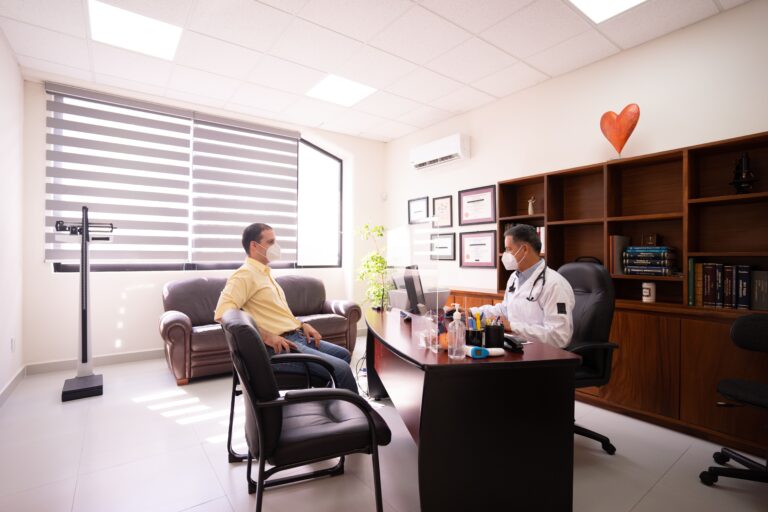
It is diagnosed by monitoring the heart’s electrical activity through an ECG. Doctors may also suggest Holter monitoring for 24 hours if the fast rhythm appears suddenly and ends quickly.
When symptoms occur often, doctors look deeply into the heart’s electrical signals to check the exact reason. Medical tests provide a better picture and help specialists choose the right treatment.
Doctors ask about lifestyle, stress level, and family history. It is important to describe symptoms clearly to get the correct treatment.
Available Treatment Options
It can be treated using simple and advanced methods. In many cases, slow breathing and staying calm help the heartbeat return to normal. Doctors may also teach vagal maneuvers (saans aur body movement technique) to slow down heart rhythm. Medicines are sometimes used to control signals inside the heart.
When episodes become frequent, a procedure called catheter ablation may remove the faulty pathway and give long-lasting relief. Most people recover well and continue normal life without fear. Drinking plenty of water, reducing caffeine, and managing stress improve heart health and reduce episodes.
Living with SVT
It is not a condition to panic about, especially if doctors are guiding you. A healthy lifestyle keeps the heart strong and stable. People can exercise, work, and enjoy life like others. Knowing the triggers helps prevent sudden episodes. When symptoms appear, staying relaxed helps the heart settle faster. Trusting medical advice builds confidence and peace of mind.
Conclusion
SVT full form is Supraventricular Tachycardia, which means fast heartbeats starting above the ventricles. Many people face it, and most cases remain manageable with simple care and proper treatment. Understanding the condition reduces fear and helps individuals stay healthy and confident. Always consult a doctor if symptoms become regular or troubling, so life remains active and happy without worry.