If you own a horse property in South Florida, you already know how tough the heat and humidity can be on your barn, equipment, and home.
Between afternoon thunderstorms, wet bedding, sweaty saddle pads, and Florida’s year-round humidity, moisture can become a problem pretty quickly. And when that moisture has nowhere to go, mold and mildew aren’t far behind.
Cesar Hernandez Jr. of Florida Mitigation Group, a family-owned restoration company serving Davie, Weston, Cooper City, and the rest of Broward County, shares a few practical ways horse property owners can keep moisture under control.
Keep Air Moving Through the Barn
Good ventilation is one of the most important things you can do to prevent moisture buildup in a horse barn.
Horses naturally produce moisture through breathing and sweating. Add in bathing, washing stalls, wet bedding, and Florida’s humid weather, and you’ve got plenty of opportunities for condensation and mold.
According to Penn State Extension, proper barn ventilation helps remove excess moisture, odors, and airborne contaminants.
You don’t need to make your barn airtight. In fact, that’s the opposite of what you want.
A few things that help include:
- Keep barn doors, windows, and ventilation openings clear so air can circulate.
- Use properly installed barn fans to improve airflow, especially during hot, muggy weather.
- Remove wet bedding and manure regularly instead of letting moisture sit.
- Squeegee standing water away from wash racks and other frequently wet areas.
- Check ceilings, walls, and roof panels for condensation or signs of leaks.
If your barn constantly smells damp or you notice moisture collecting on surfaces, it’s worth taking a closer look at the ventilation.
Protect Your Saddles and Tack From Mold
Anyone who keeps leather tack in South Florida knows how quickly mildew can show up.
You put a clean saddle away, and the next time you pull it out, there’s a white or greenish film on the leather. That’s what happens when humidity builds up in a closed tack room.
The University of Florida’s IFAS Extension recommends controlling heat and humidity to protect saddles and other leather equipment.
One of the best investments you can make is a properly sized dehumidifier or air conditioner for your tack room.
You should also:
- Keep indoor humidity below 60%, ideally between 30% and 50%.
- Make sure the room is insulated and sealed well enough to control humidity.
- Let sweaty saddle pads, blankets, and other gear dry completely before storing them.
- Keep saddles and equipment slightly away from walls to allow airflow.
- Clean and condition leather tack regularly.
A small humidity monitor can help you keep track of conditions without having to guess.
And if you walk into your tack room and immediately notice a musty smell, don’t ignore it. Check for leaks, condensation, and areas where moisture might be collecting.
Don’t Forget About the Feed Room and Hay Storage
Keeping hay dry is about more than preventing mold. It’s also an important fire safety issue.
When hay is stored with too much moisture, it can begin heating up internally. In some cases, that heat buildup can become dangerous.
According to the Alabama Cooperative Extension System, hay stored at moisture levels of 15% or less has minimal fire risk, while the risk increases as moisture levels rise.
Moldy hay can also create health problems for horses, particularly when dust and mold spores become airborne.
To reduce problems:
- Store hay off the ground on pallets or another raised surface.
- Keep bales away from walls to allow air to circulate.
- Make sure rainwater can’t reach your hay storage area.
- Check newly delivered hay for unusual heat, moisture, or musty odors.
- Rotate your supply so older hay gets used first.
If you notice a hay stack getting unusually hot, don’t try to move it around yourself. Internal temperatures around 150°F to 160°F can indicate a serious fire hazard. Contact the fire department for guidance.
Keep Barn Moisture From Becoming a Problem Inside Your House
For homeowners with barns on the same property, moisture control doesn’t end when you leave the stable.
Wet boots, riding clothes, saddle pads, and blankets often end up in the garage, laundry room, or mudroom. If those areas aren’t properly ventilated, humidity can build up inside the house too.
This is especially important in South Florida, where air conditioners already work hard to remove moisture from indoor air.
A few simple habits can make a difference:
- Leave muddy boots and wet riding gear in a designated drying area.
- Avoid storing damp blankets or saddle pads in enclosed closets.
- Keep your home’s indoor humidity below 60%, as recommended by the EPA.
- Check your AC drain line and drain pan for clogs or standing water.
- Make sure your clothes dryer vents outdoors.
- Keep water from wash racks, gutters, and drainage areas flowing away from your home’s foundation.
It’s also worth checking the areas where you bring riding equipment into the house.
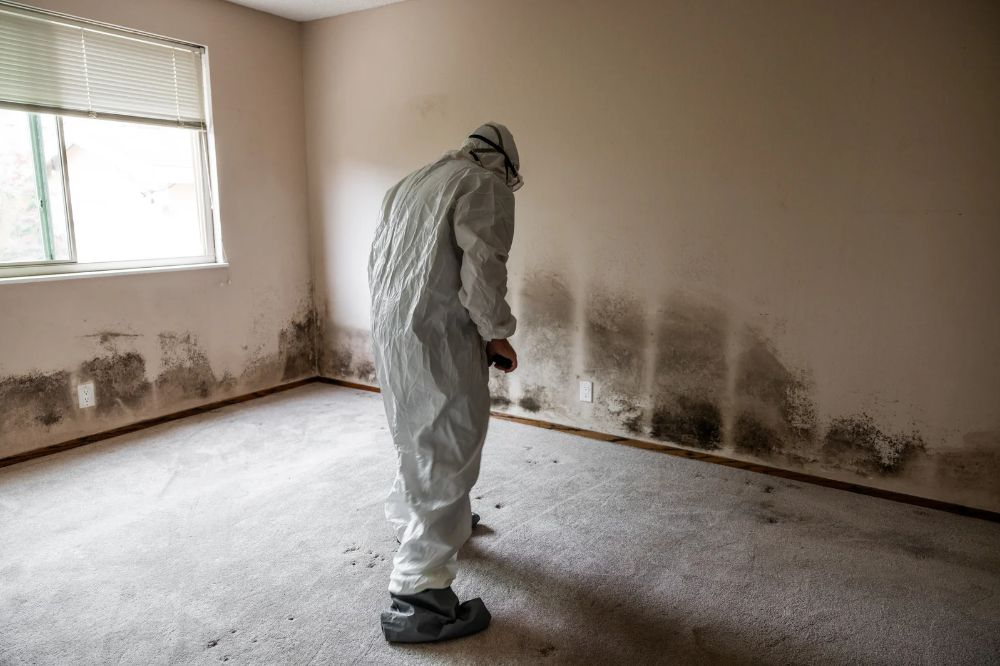
Look for peeling paint, swollen baseboards, damp drywall, or dark spots around air vents. A persistent musty smell is another sign that something may be wrong.
Know When Mold Needs Professional Attention
Finding a little mildew on a saddle isn’t the same as discovering mold behind drywall or inside your home’s air conditioning system.
If you’re seeing recurring mold growth, water stains, or damp areas inside your house, the first step is figuring out where the moisture is coming from.
It could be a plumbing leak, an AC condensation problem, roof damage, or water entering around doors and windows.
In Florida, mold assessment and mold remediation are separately licensed services. For suspected mold problems inside your home, a licensed mold assessor can help identify the extent of the issue and recommend the appropriate next steps.
Once the moisture source has been addressed, professional remediation may be needed to remove affected materials and properly clean contaminated areas.
Florida Mitigation Group works with homeowners throughout Broward County, including horse property owners in Davie, Weston, and Cooper City, who are dealing with water damage and moisture-related problems.
Keep Your Barn Dry and Your Home Protected
Owning horses in South Florida means dealing with humidity. There’s no getting around that.
But keeping air moving through the barn, controlling moisture in your tack room, storing hay properly, and watching for leaks around your home can go a long way toward preventing bigger problems.
The key is catching moisture issues early, before a small damp spot turns into damaged drywall, ruined equipment, or a mold problem that requires professional cleanup.
A little regular maintenance can save you a lot of trouble down the road