A white marble floor looks flawless on the day a villa is handed over. Two summers later, it may look different. A dull patch by the kitchen where lemon juice landed, a faint ring under a plant pot, a hairline scratch where a chair was dragged.
In Dubai, materials must handle heat, sand, intense sun, and air conditioning that rarely switches off. The most successful luxury interior design Dubai projects choose materials that look beautiful and can also cope with all of that.
Natural Stone, Chosen Carefully
Marble is still the signature of high-end homes here, and for good reason. Nothing else has quite the same depth or veining. But marble is soft and reacts with acids, so it works best on walls, feature panels, bathroom vanities, and formal areas that get lighter use.
For kitchen counters and busy floors, harder stones like quartzite and granite last much longer. Quartzite in particular can look strikingly like marble while resisting scratches and etching far better. Whatever stone you choose, sealing it properly and resealing it every year or two makes a real difference.
Sintered Stone and Porcelain Slabs
These engineered surfaces have changed what’s possible in luxury interiors. Large-format slabs can cover entire walls, kitchen islands or floors with very few joints. They resist heat, stains, UV light and scratches, so they’re especially useful for outdoor kitchens and terraces where natural stone can fade or crack. Many ranges now copy rare marbles well enough that guests rarely notice.
Hardwoods and Engineered Timber
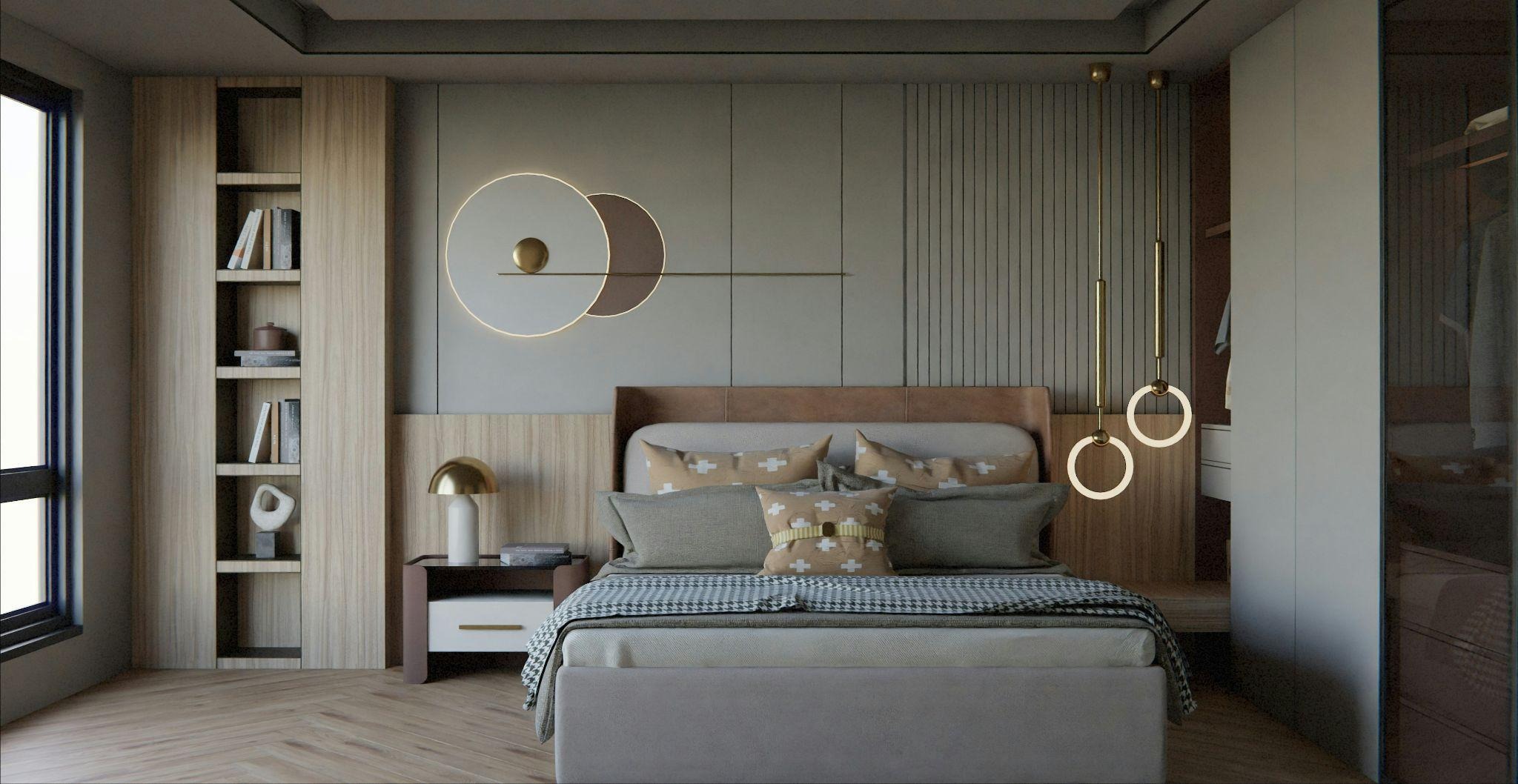
Wood brings a warmth that stone and glass can’t. Solid walnut, oak and teak suit joinery, doors and furniture. For floors, though, engineered wood is often a smarter choice in Dubai. Its layered core stays far more stable as humidity changes, so it’s less likely to gap, cup or warp than solid planks.
Materials Are Only as Good as the Installation
Even the finest materials fail if they’re installed badly. Stone needs proper substrates and expansion joints, timber needs time to acclimatize, and large slabs need specialist handling. An experienced interior fit out Dubai team plans these details early, coordinating trades so that materials arrive, settle and are installed in the right order.
Metals That Age Well
Brass, bronze and brushed stainless steel appear in handles, lighting, trims and inlays across luxury homes. Unlacquered brass develops a soft patina over time, which some owners love, and others don’t, so decide early. Stainless steel and PVD-coated finishes keep their color with minimal care. That matters in coastal areas like Palm Jumeirah, where salt air can tarnish metal faster.
Fabrics Built for Sun and Dust
Velvet, silk and linen still feature heavily, but where they go matters. Strong light through floor-to-ceiling windows can fade delicate fabrics within a year or two. Performance fabrics now come in rich textures and colors, and they handle spills, sun and frequent cleaning well. Many designers use both, keeping the delicate fabrics in shaded areas and the tougher ones where the light is harsh.
Plaster and Specialist Wall Finishes
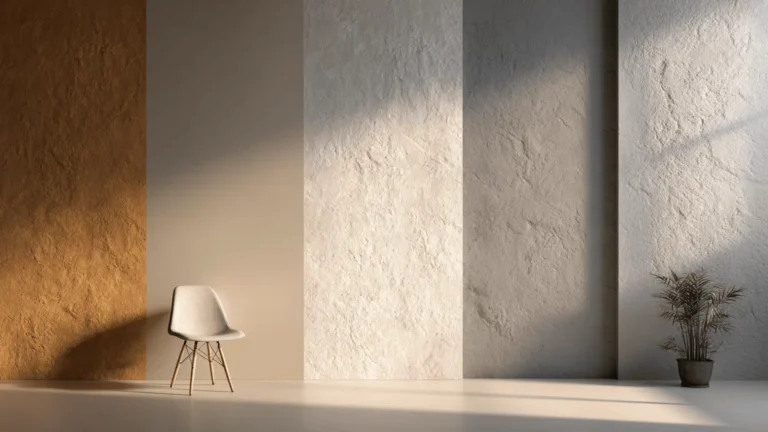
Venetian plaster, microcement and lime-based finishes give walls a soft, layered look that paint can’t match. They’re seamless and breathable, and they work as well in bathrooms as on feature walls, adding texture without visual clutter.