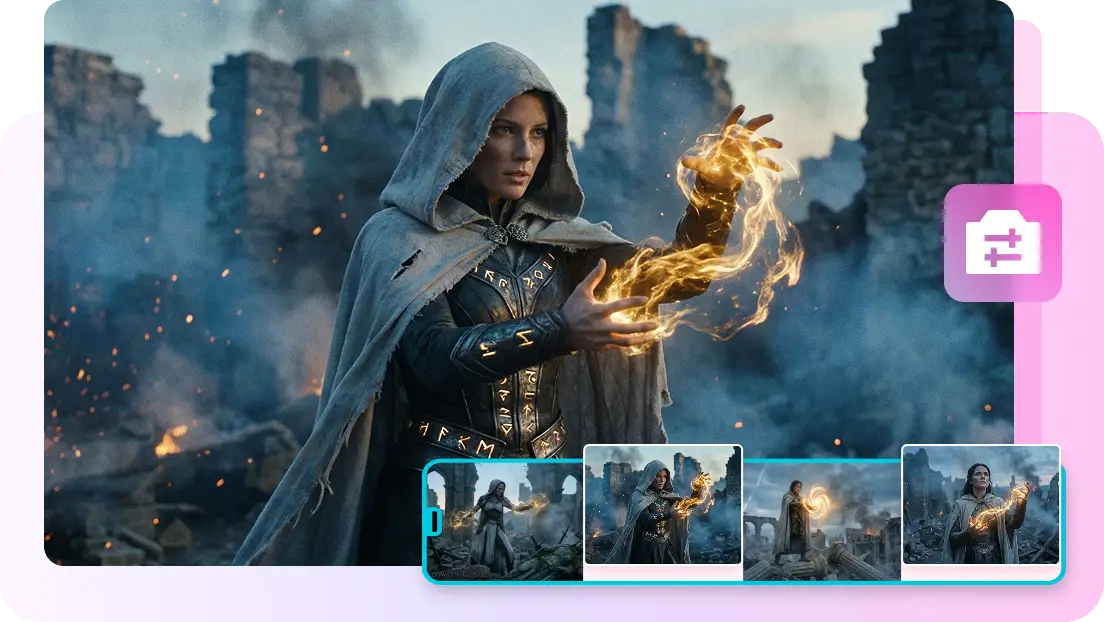
The perception of energy, flow, and clarity of the AI-generated videos depends on motion control. In the realm of AI video production, rhythm and controlled movement patterns are becoming more and more crucial for engagement. Pippit’s seedance tools provide accurate motion control for creators who are creating dynamic visual stories. Intensity + rhythm of motion separately and jointly attract audience attention to sequences. This article will be about the different motion control techniques you can achieve with Pippit for a better storytelling impact.
Understanding Motion Intensity and Visual Rhythm
Motion intensity is the strength and speed of the motion in the scenes created. Temporal rhythm is the timing of the rhythms among frames and transitions. They go hand-in-hand to create the pace of the story and the viewer’s feelings. Camera movement draws viewers’ attention to key visual aspects of a scene. The motion behavior systems are more realistic thanks to Seedream‘s advanced modeling. Pippit incorporates motion principles for regular AI video outputs. A balanced movement holds the audience in the game between shots, without getting them tired. Excitement and confusion at high intensities are a result of overuse. Low intensity will give detail and reduce emotional delivery. Rhythm planning helps to create smoother transitions between video narratives.
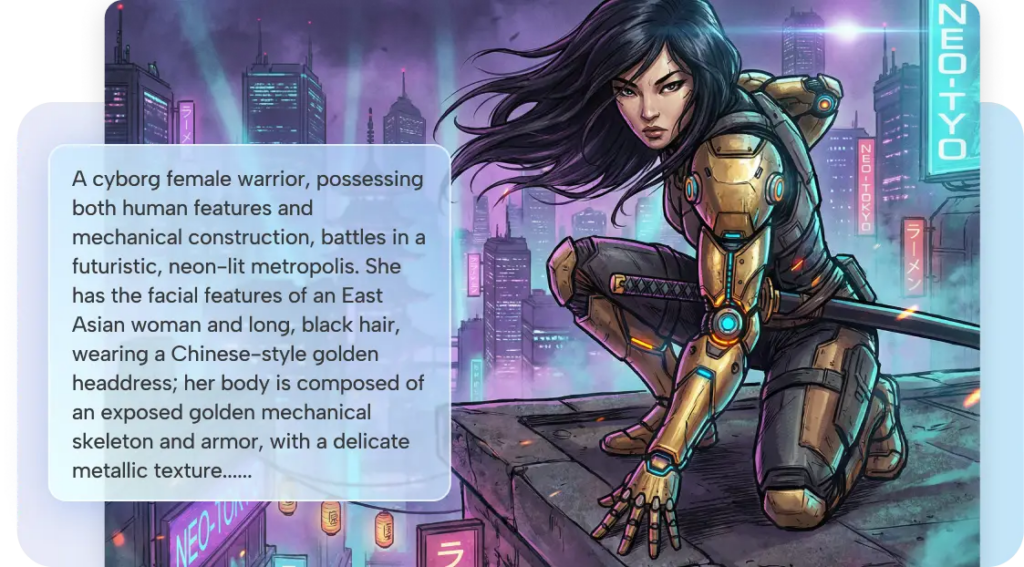
Core Motion Control Features Available in Seedance
Motion control systems generate the moving of the camera to work out the scenes in a realistic manner. Temporal rhythm settings vary the tempo in sequences. The scene speed management is for fast or slow trans. Visual energy is used to control intensity throughout the shots. Pippit provides systematic tools to implement the motion controls. Features use of movement effectively to suit the needs of the story. This frame-to-frame continuity adds to realism and reduces artifacts. Seamless transitions help with the immersion and engagement. Bad settings result in jittery or confusing outputs. Achieved a good work-life balance with proper calibration.
Steps to Fine-Tune Motion Intensity And Rhythm Inside Seedance Controls
Step 1: Access Your Editing Workspace
- Sign up for Pippit and access the platform.
- Navigate to the “Video generator” tab from the dashboard.
Step 2: Build And Control Motion Dynamics
- Select an AI model, such as Dreamina Seedance 1.0, Dreamina Seedance 2.0, or Dreamina Seedance 2.0 Fast, for your video generation.
- Enter a detailed text prompt describing how you want motion intensity and rhythm to behave in each scene.
- If you want, you can also select the video length, language, subtitles, and aspect ratio in which you want to generate your video.
- Click “+” to upload reference images or videos from your device, phone, Dropbox, or a link. You can also select assets if you don’t have reference media.
- Once everything is added, click “Generate” to render controlled motion flow.
Step 3: Refine Movement & Export Output
- Select your video, and press the Play button to preview motion timing and rhythm.
- To make changes, click “Edit more” and use the tools to crop, stabilize, adjust colors, or change the background while refining motion consistency.
- Or, click “Download” to save your AI-generated video to your device, or “Publish” to share it directly on your social media.
Techniques for Adjusting Motion Intensity Effectively
- Use slow camera movements and limit sharp cuts and edits to create subtle movement and to make things clear. This helps to maintain visual stability and focus on important details.
- Create sequences of high energy with camera moves and rapid movement. This makes it more exciting and also helps in engaging the short-form content delivery platforms.
- Alternate between the fast and slow moments to keep viewers entertained throughout the timeline. This is not to say that it is necessarily boring, but it does add pacing quality between scenes and emotional realism to the storytelling.
- Use movement in relation to content to enhance communication and clarity. The use of varying levels of intensity in motion is satisfactory for different scenes to achieve the desired impact results.
- Pace control strategies are used to smoothly direct the viewer’s attention to sequences. Controlled timing adds to the understanding and consistency of visuals, shot to shot.
- Use motion cues that clearly draw attention to important aspects of the image that work. With proper alignment, the viewers will follow the points of the intended narrative flow smoothly and clearly.
Motion Rhythm Strategies for Different Scene Types
Controlled pacing helps in emotional development across the scenes in narrative storytelling. Product demos must have natural movement to show the features effectively. The videos for education have a moderate rhythm for viewers’ understanding. Promotional content is written at a quicker tempo, which is used to create urgency. The dynamic rhythm is a key factor in capturing viewers’ attention on social media ‘shorts’. Varying speed of film movement for depth. Various kinds of scenes need varying degrees of motion. Correctly rhymed alignment enhances understanding and feelings. Structured motion adjustments between formats can be made using Pippit tools. Pacing is a critical element of an effective story.
Using Seedance 2.0 to Shape Movement Precision
Motion precision is enhanced in complex scenes with advanced video models. It has better camera angle control, making storytelling easier. The closer the objects are between sequences, the more consistent they are. Pippit has integrated new tools like Seedance for fine motion workflows. Temporal alignment is used to create a more natural motion of objects. In multi-shot generation, the continuity of characters is not disturbed. These improvements decrease the distortion and increase realism. Longer sequences will benefit from the use of motion coherence and rhythm control. Pacing and direction are more user-controlled. The fine-tunings guarantee the cinematic quality in the production. The more the rendering is improved, the more stable the frames will be. Overall output is appropriate for professional video production.
Avoiding Common Motion Control Mistakes
Excessive motion is distracting viewers from the important data. Changes in tempo reduce the clarity of the story. To ensure a more stable generation, Pippit users should steer clear of overly complicated prompts. Synchronization is a factor that has a negative impact on realism if it is not in good condition. Balanced outputs deliver a steady output. Too many transitions chop up the viewing experience. If you make some planning, then you won’t have jittery movements. Testing enhances the comprehension of the configuration. Iterative changes are used to enhance quality. Feedback monitoring helps to make better design decisions. Properly balanced can deliver professional results. Review outputs carefully.
Enhancing Viewer Engagement Through Rhythm Management
A natural flow of movement is added to the visual flow. Pacing is important in keeping interest alive over a period of time. Structured adjustments for clarity are allowed in Pippit—direct attention to maintaining focus on narrative elements. Rhythm is regular and effective to support emotional impact. Comprehension is facilitated by balanced motion. Sequences are well designed, and cognitive load is reduced. Strategic camera moves enhance direction. The rhythm alignment facilitates easier viewing. Pacing control is a tool that can help creators. The more consistent it is, the more it will be retained. With a little tuning, you will have a lot of storytelling results.
Conclusion
Motion intensity and rhythm control are important factors in effective AI-generated storytelling outcomes. Pippit is a tool for creative workflows for video motion customization with precision. Balanced settings improve engagement and clarity of the narrative between formats. Design is well thought through, which ensures that the pacing and visual communication are smooth and consistent. The advanced tools enable creators to produce professional-quality videos. Good footwork leads to an emotional connection with your audience. The more it’s polished, the more it’s going to have an impact and be engaging. More attention to the details of movement equals a better story.