Nepal is one of the best places for trekking in the world, with a variety of iconic routes, both short (scenic mountain treks) and long (high-altitude treks). The Everest Base Camp trek, the picturesque Mardi Himal trek, and the culturally rich Everest View trek are three of the most sought-after treks in the Himalayas.
Every trek is unique and offers different adventure styles depending on the altitude and views available to the beginner, ranging from extreme adventure to beginner-friendly views.
Overview of Three Iconic Treks of the Himalayas:
The Everest region and the Annapurna region offer both amazing experiences on a trek; there are significant differences between them.
Everest Base Camp Trek is a high-mountain trek through the Khumbu Valley leading to Base Camp of the highest peak in the world at 5364m. This is a physically strenuous hike and is suitable for those who want to experience a real expedition in the Himalayas.
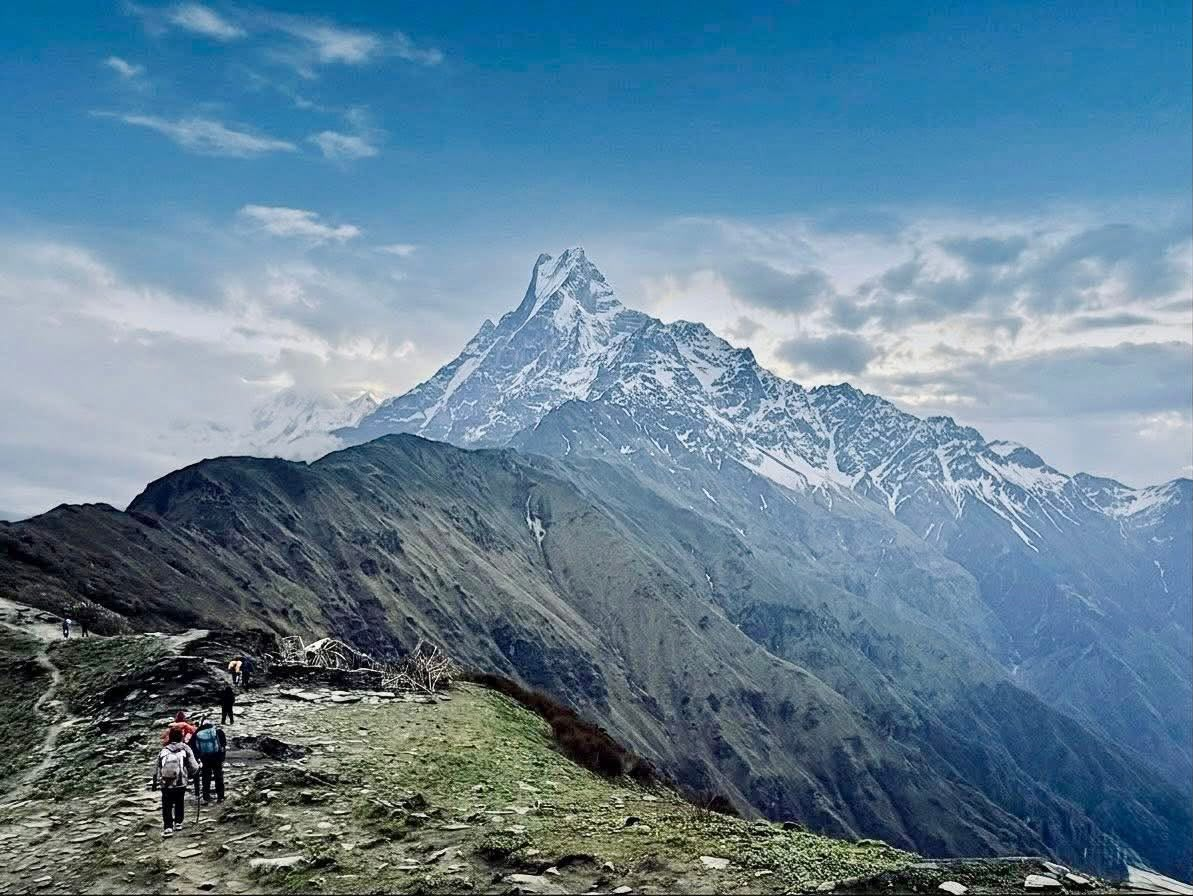
An alternative, which is a shorter and quieter trek, is in the Annapurna region with Mardi Himal. Stretches around 4,500m and provides up close and personal views of the Fishtail Mountain (Machhapuchhre) and Annapurna range. Best for trekking in Pacific areas and for walking on ridges.
The easiest is the Everest View Trek, for those who don’t have a lot of time or are new to trekking. It emphasizes the immersion into the cultural experiences of the Sherpa villages, such as Namche Bazaar and its people, along with the panoramic views of Everest without any extremes.
Scenery and Mountain Views Comparison
Every hike is a distinctive sightseeing adventure based on its terrain.
The Everest Base Camp route offers spectacular views of the glaciers, dramatic scenery, deep valleys, suspension bridges, and high peaks like Ama Dablam, Lhotse and of course Everest. The best part is the sunrise from Kala Patthar, which is one of the best viewpoints in the Himalayas.
Certainly, one of the most characteristic features of the Mardi Himal trek is walking on the ridge line. The higher you ascend, the more dense the forests give way to alpine country and Machhapuchhre seems like it was even within reach. The landscape is rough, quiet, and not so commercial.
The Everest View Trek is more of a cultural experience backed up by mountain viewpoints. With its charming views of the peaks of Everest and beyond from such places as Hotel Everest View, it is suggested that it provides a better alternative to extreme altitude drama.
Difficulty level and Altitude:
One of the main considerations in choosing between these trails is how difficult they are.
- The Everest Base Camp Trek is a moderate to challenging trek as it goes to a high elevation and for a long duration. Trekkers walk for almost two weeks, having to include acclimatisation stops to prevent getting altitude sickness.
- The Mardi Himal Trek is moderately difficult. Although this one is shorter in length (5-7 days), it is very steep going with high altitude ridge walking, which needs high fitness levels, particularly in the vicinity of High Camp.
- Everest View Trek is an easy to moderate trek. It’s not too high, and it’s a great choice for newcomers or families. But one still needs endurance to make it to Namche Bazaar.
Trek Duration and Itinerary Style
- Everest Base Camp Trek usually lasts 12-14 days, which includes acclimatization days in Namche Bazaar and Dingboche. This gradual climb is for safety and success.
- In the Mardi Himal Trek, one can experience some high mountain exposures in 5 – 7 days of trek, which is one of the fastest trekking experiences in the Himalaya.
- The Everest View trek is even shorter, which is normally 5-7 days, and it helps the tourist to enjoy the Everest region without having a long trek.
Best Time to Go Trekking:
Trekking experts and trekking agencies such as Escape Himalaya suggest that the best time to trek any of the three is during the following seasons:
- Summer (June to August): Sunny, warm and windy days, beautiful plants
- Fall, or autumn (September-November), crisp mountain views and perfect trekking weather.
The weather is cold in winter on high altitudes and in monsoon time there is an abundance of rain which makes visibility poor.
Culture, Villages, and Local Experience:
Cultural experience is a large part of Nepal trekking, beyond the mountains.
Everest Base Camp Trek is a genuine Sherpa cultural experience, with monasteries such as Tengboche presenting a glimpse of Buddhist traditions and the essence of mountain living.
Mardi Himal Trek gets to the little-known villages of Gurung and Magar, where you’ll experience authentic rural Himalayan life in a less crowded and quieter scene.
Everest View Trek offers a glimpse into the Sherpa way of life, offering trekkers the opportunity to explore vibrant markets, bakeries, and the lives of the Sherpa people in Namche Bazaar.
If they do, then it’s time to begin thinking about which trek you’ll take!
Culture, Villages, and Local Experience
- If you are looking for an iconic and challenging trek experience, then the Everest Base Camp Trek is the option.
- If you are looking for a short trek, peace and quiet trails, then go with the Mardi Himal trek.
- If you are looking for a beginner’s trek to the Everest region, the Everest View Trek is for you.
Every trek offers a unique exploration of the Himalayas, ranging from the challenge to the inner city. Each trek has its own unique way to explore the Himalayas, from extreme to inner city.
Why Trek with a Professional Operator
A trustworthy trek operator like Escape Himalaya guarantees the safety, correct acclimatization, experienced guides, and well-organized logistics. Professional operators handle the permits, lodging, and route planning while trekking enthusiasts can enjoy the trip without any worries.
This is particularly crucial for treks at high altitudes such as the Everest Base Camp Trek, where the weather and terrain might rapidly change.
Conclusion
From the famous Everest Base Camp Trek to the Calm Mardi Himal Trek, the Everest View Trek is a once-in-a-lifetime Himalayan trek of your choice.
The focus isn’t only the destination, but the way you get there – and what you’re prepared to do and how much time you have. Every traveller takes something different out of the Nepal mountains; for some, it’s the challenge, peace for others, or inspiration for every step.
Ultimately, it is not only about the height in the Himalayas but the view as well.