In the world of water treatment, the term “STP water” is commonly used. Many people, especially those working in environmental sciences and wastewater management, are familiar with the term, but the full form and its implications can be unclear for others.
Understanding the STP water full form is essential for anyone curious about the processes that keep our water systems clean and sustainable. In this article, we’ll break down what STP stands for, how it relates to water treatment, and why it’s important for both public health and the environment.
What is the Full Form of STP Water?
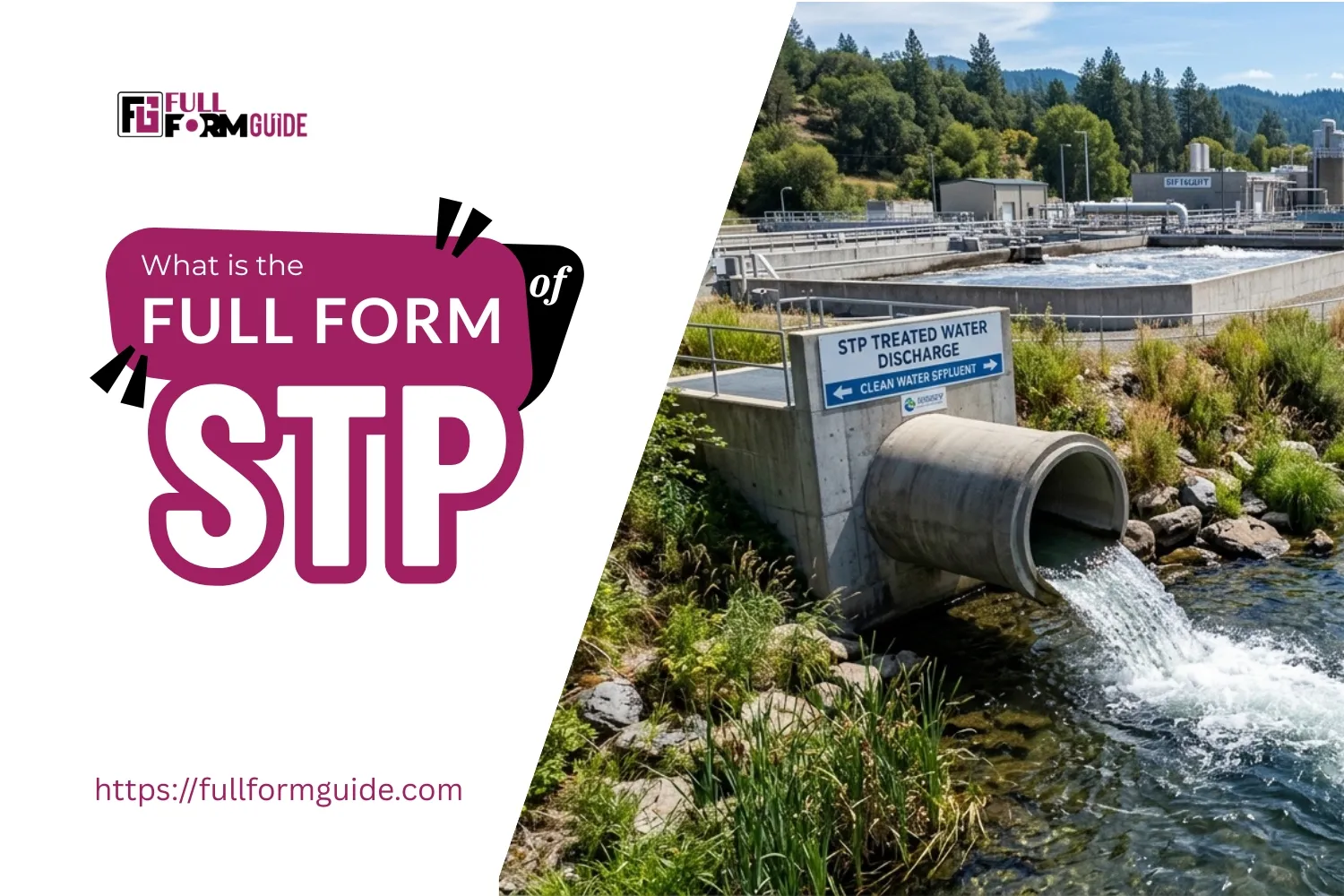
STP stands for Sewage Treatment Plant. The STP water full form specifically refers to water that has been processed through such a plant. STPs are facilities designed to remove contaminants from wastewater, primarily from domestic sources like homes and businesses, before the water is safely released back into the environment or reused.
The treatment process includes physical, chemical, and biological processes that break down pollutants, ensuring that the water is safe for discharge or further use.
The term STP water refers to the water that has undergone these cleaning and purification processes. It’s a crucial part of maintaining environmental balance, especially in urban areas where wastewater generation is high. By understanding the full form of STP water and its significance, we can appreciate the critical role these plants play in maintaining the health of our ecosystems.
How Does Sewage Treatment Work?
Sewage treatment involves several stages to ensure that the water is properly purified. The first step typically involves the physical removal of large debris and solids from the water through screening and sedimentation.
Afterwards, biological treatment processes break down organic matter using bacteria or other microorganisms. The final step involves disinfecting the water to eliminate harmful pathogens before it is either released or recycled.
STP water, after undergoing this comprehensive treatment, is often considered safe for discharge into rivers, lakes, or the ocean. In some cases, treated STP water is further purified to be used for non-potable purposes, such as irrigation or industrial processes. This process not only protects public health but also helps preserve natural water resources.
Importance of STP Water in Environmental Sustainability
The significance of STP water goes beyond just wastewater treatment. These plants help reduce pollution, prevent the spread of diseases, and conserve water resources. With the increasing global water scarcity issues, STP water offers a sustainable solution by reintroducing treated water back into the system.
Without sewage treatment, untreated wastewater can contaminate water bodies, harm aquatic life, and pose a risk to human health. By effectively treating sewage, STPs ensure that harmful pollutants like heavy metals, chemicals, and bacteria are eliminated. It helps to maintain a clean and safe environment for both humans and wildlife.
Benefits of STP Water
STP water offers several key benefits to both individuals and society. One of the primary advantages is its role in preventing the contamination of groundwater and surface water. Untreated sewage can seep into water supplies, leading to the spread of diseases like cholera and dysentery. By treating sewage in STPs, we reduce the chances of such diseases spreading, protecting communities and public health.
Moreover, treated STP water can be recycled for non-drinking uses such as agriculture or landscaping. It helps conserve fresh water, which is essential for industries, agriculture, and households. With the increasing pressure on natural water resources, STP water presents a sustainable alternative for various water-intensive processes.
The Role of STP Water in Urban Areas
In urban areas, where population density is high, sewage treatment plants are crucial for managing the large volumes of wastewater generated daily. STP water ensures that the sewage from thousands of households, commercial establishments, and industrial units is efficiently treated before being released back into the environment.
Without proper treatment, untreated wastewater could severely impact water quality, leading to pollution and health hazards.
STP plants play an even more important role in developing nations, where urbanization is rapid and infrastructure often struggles to keep up. By implementing effective STP systems, cities can manage their wastewater more efficiently and ensure cleaner, healthier environments for their residents.
Conclusion
In short, understanding the STP water full form highlights the importance of effective wastewater management in preserving public health and the environment.
These treatment processes not only safeguard water quality but also offer sustainable alternatives for water reuse. As urbanization continues to rise, the role of STP systems in maintaining clean water supplies will become even more crucial.