Finding the right job involves much more than sending applications. Your resume needs to communicate your experience clearly, your application should match the role, and your LinkedIn profile should present a consistent professional identity. With AI tools becoming increasingly common in the hiring process, job seekers can now streamline many of these tasks.
An AI resume builder, a traditional resume builder, and carefully written ChatGPT resume prompts can help you create and refine your application materials. At the same time, knowing how to update resume on LinkedIn can help ensure recruiters see current and relevant information when they find your profile.
The key is to use AI strategically while keeping your experience accurate and authentic.
Start by Building a Strong Resume
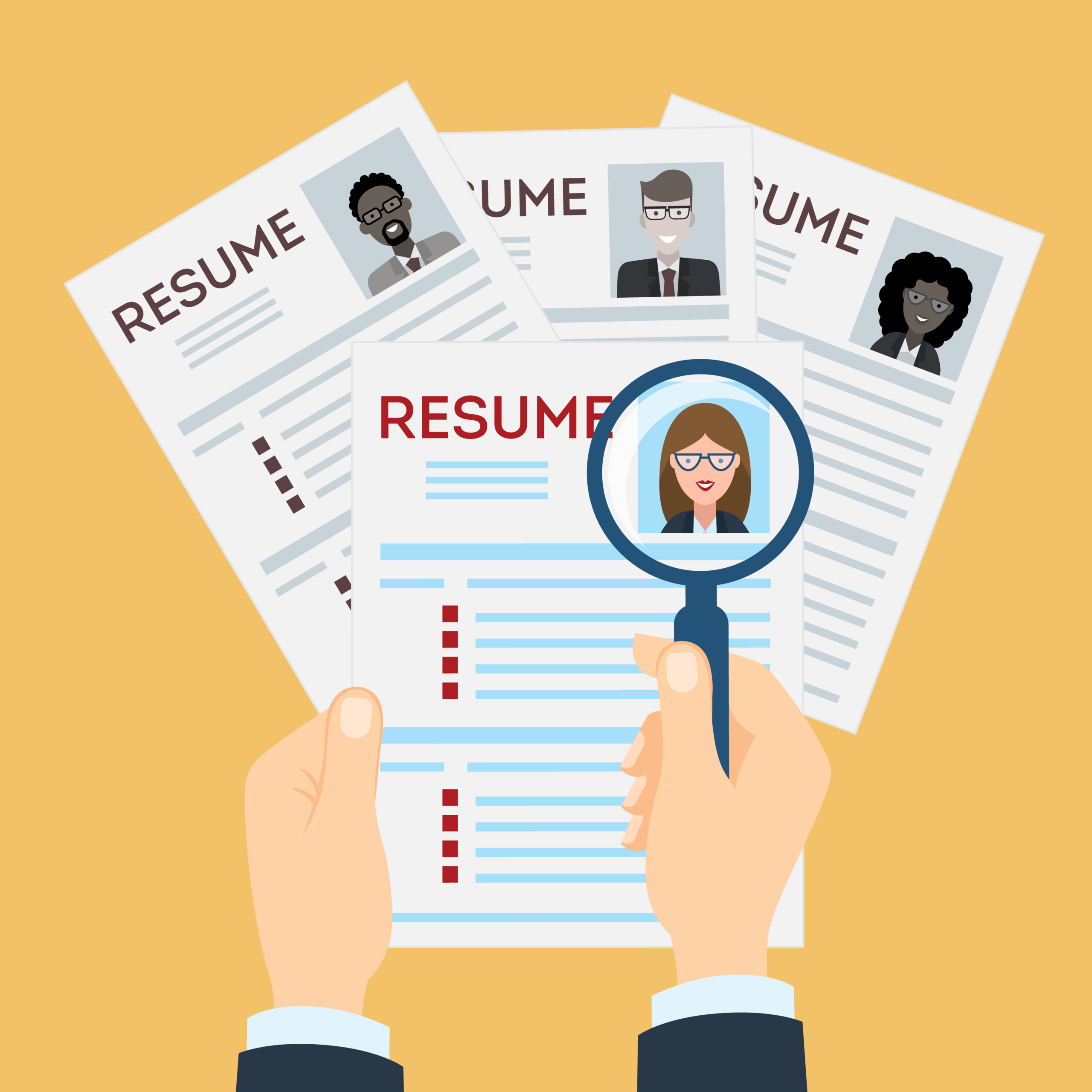
Before applying for jobs, create a master resume containing your complete professional history. Include your work experience, education, skills, certifications, projects, and significant achievements.
An AI resume builder can help organise this information into a professional structure. Instead of spending hours deciding how to format every section, you can use a suitable template and focus more attention on the content.
A good resume should quickly answer three questions: What have you done? What are you good at? And what value can you bring to the employer?
Whenever possible, support your achievements with genuine results. For example, instead of simply saying that you managed customer accounts, explain what you actually achieved through that responsibility.
Use AI to Tailor Your Resume
Creating one strong master resume is only the beginning. Different employers may prioritise different skills, responsibilities, and qualifications.
This is where an AI resume builder can be especially useful. You can compare your resume with a specific job description and identify areas that deserve greater emphasis.
AI can help you:
- Identify relevant keywords
- Improve weak resume bullet points
- Organise skills by relevance
- Create targeted professional summaries
- Adjust your resume for different roles
- Improve grammar and clarity
However, never add a skill or achievement simply because it appears in a job description. Your resume should reflect what you genuinely know and have accomplished.
Make the Most of ChatGPT Resume Prompts
One of the easiest ways to use AI during your job search is through structured ChatGPT resume prompts. The quality of the response depends heavily on the information and instructions you provide.
Instead of asking, “Write my resume,” provide your actual experience, target position, job description, and specific requirements.
For example, you could ask ChatGPT to analyse a job description and compare it with your existing resume. You can then ask it to identify relevant keywords, suggest improvements to your existing bullet points, and flag areas where more information may be needed.
Other useful ChatGPT resume prompts can help you:
- Rewrite a weak achievement using stronger action verbs
- Create a concise professional summary
- Identify repetitive language
- Highlight transferable skills
- Tailor experience to a specific job
- Prepare answers to common interview questions
Recent resume guidance similarly recommends giving AI your real experience and job description while explicitly instructing it not to invent metrics, credentials, dates, or achievements.
Keep Your Resume ATS-Friendly
Many companies use applicant tracking systems to help manage large numbers of applications. This means your resume should be easy for both software and people to understand.
Use clear section headings, straightforward formatting, relevant terminology, and readable fonts. Avoid unnecessary graphics, hidden keywords, or attempts to manipulate screening systems.
The goal is not to fill your resume with keywords. Instead, use relevant terminology naturally when it accurately describes your experience. Experts increasingly recommend balancing machine-readable formatting with content that is useful and credible to human recruiters.
Understand How to Update Resume on LinkedIn
Your resume and LinkedIn profile should work together. If you have recently changed jobs, completed a certification, learned a new skill, or achieved an important professional result, update your LinkedIn profile as well.
If you are wondering how to update resume on LinkedIn, start by reviewing the main sections of your profile. Update your headline, About section, work experience, education, skills, certifications, and projects where appropriate.
Remember that your LinkedIn profile is not necessarily a copy of your resume. Your resume can be tailored to a particular position, while LinkedIn can provide a broader overview of your professional background.
Keep Your LinkedIn Profile Consistent
Consistency matters when recruiters compare your resume with your LinkedIn profile.
Check that important details such as job titles, employment dates, qualifications, and major achievements are accurate across both platforms. Small differences can create unnecessary questions during the hiring process.
You should also make sure your LinkedIn headline reflects the type of opportunities you want. A specific headline containing relevant professional keywords can communicate your expertise more clearly than a generic job title.
Use AI for Your Job Search, Not Just Your Resume
AI can support more than resume writing. You can use it to prepare for interviews, analyse job descriptions, brainstorm questions for employers, improve cover letters, and create personalised application strategies.
For example, after applying for a position, you could use ChatGPT to generate likely interview questions based on the job description and your experience. You can then practise answering them using real examples from your career.
This turns AI into a broader job-search assistant rather than simply a writing tool.
Always Review AI-Generated Content
AI can save considerable time, but you should never submit its output without reviewing it.
Check every statement for accuracy. Remove generic phrases that do not sound like you, correct incorrect assumptions, and make sure every achievement can be supported if a recruiter asks about it.
Your final resume should sound like a polished version of your professional experience not like a generic AI-generated document.
Build a Smarter Job Search Strategy
A successful modern job search can combine an AI resume builder, targeted ChatGPT resume prompts, and an updated LinkedIn profile.
Start with an accurate master resume, tailor it to each relevant opportunity, use AI to improve clarity and structure, and keep your LinkedIn information current. Most importantly, treat AI as a tool that supports your judgement rather than replacing it.
When used thoughtfully, AI can reduce the time spent on repetitive application tasks while helping you present your genuine skills and experience more effectively. A strong resume gets attention, an optimised LinkedIn profile builds credibility, and targeted applications give you a better opportunity to move from application to interview.