Skipped checkups have a way of becoming problems nobody planned for. A small concern turns into a late-night worry, then a pricey emergency visit. That’s why more families, older adults, and caregivers are taking preventive care seriously, especially when local medical services are close by and simple to use. In 2024, an estimated 100 million patients used ACA preventive care.
With accessible healthcare, routine screenings, vaccines, and wellness visits feel far less intimidating. Today, many preventive health services bring together primary care, basic digital tools, and community health clinics that understand the people they serve.
Why Prevention Belongs at the Center of Local Care
Preventive care earns its place because it helps catch risks before they become serious. It can improve outcomes, reduce long-term costs, and give people a clearer path forward. And honestly, care works better when it starts close to home, where trust is easier to build.
Small Visits Can Prevent Bigger Problems
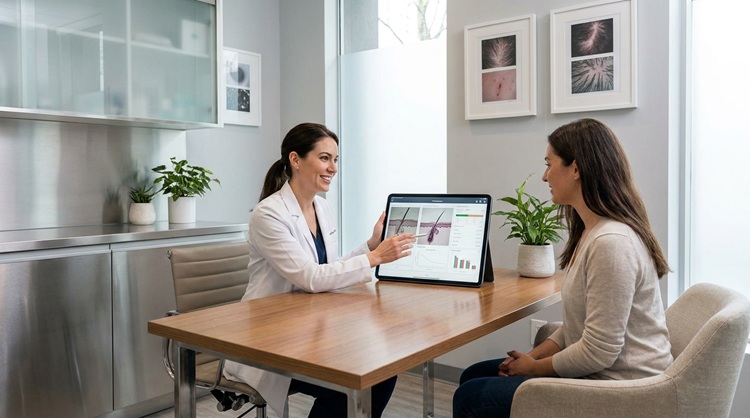
A routine visit can reveal high blood pressure, early diabetes risk, medication concerns, or other warning signs long before they become urgent. For older adults, that may mean fewer stressful trips to urgent care and more peace of mind during everyday life.
A Trusted Doctor Makes Prevention Personal
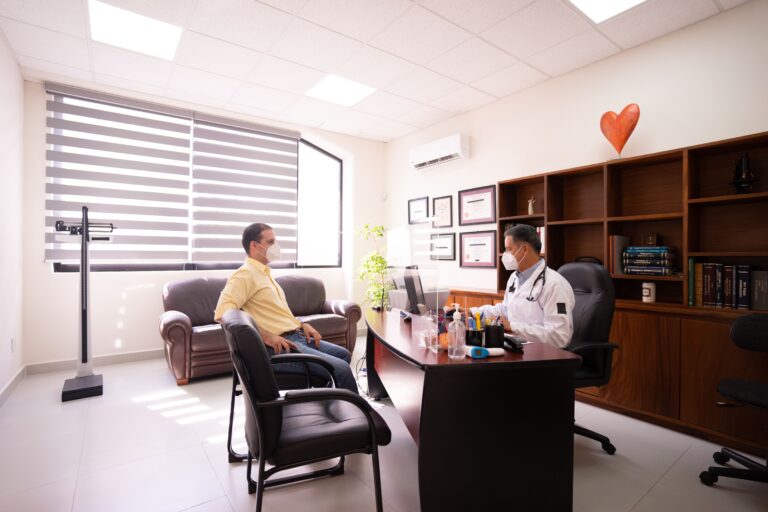
For many Medicare patients, working with a local primary care doctor who actually listens can make a regular checkup feel useful instead of rushed. That kind of relationship turns preventive care into a practical plan, not just another reminder sitting on the kitchen counter.
When screenings and regular checkups reduce chronic disease complications, the impact reaches beyond one person. The next challenge is making sure people can actually get that care.
How Local Services Close Care Gaps
Prevention can reduce disease burden across all ages, but only if people can access it. In many communities, accessible healthcare comes down to everyday realities: transportation, cost, clinic hours, language, paperwork, and whether patients feel respected when they walk in.
Community Clinics Meet People Where They Are
Many community health clinics care for people who might otherwise put off appointments because they are worried about bills, insurance, or eligibility. These clinics often offer vaccines, screenings, wellness visits, and health education in places that already feel familiar.
Local Medical Teams Reduce Friction
Strong local medical services do more than treat symptoms. They help patients understand coverage, schedule appointments, manage referrals, and follow through after a visit. That matters. Nobody wants to feel like they are being bounced from one desk to another.
Access is not just a policy phrase. It is a daily design problem. Now, it helps to look at the common care options side by side.
Comparing Local Preventive Care Options
When prevention is the shared goal, different care settings can support one another instead of competing. Each option has a role, and the right fit may depend on your health needs, schedule, and comfort level.
| Care Option | Best Fit | Main Strength |
| Primary care office | Ongoing health planning | Personal history and long-term trust |
| Community clinic | Affordable routine care | Broad access and neighborhood outreach |
| Mobile clinic | Hard-to-reach areas | Care closer to home or work |
| Telehealth visit | Simple follow-ups | Convenience for questions and check-ins |
Prevention Hubs Are Growing
Across the country, clinics are becoming more than places you visit only when you feel sick. Many now offer screenings, vaccines, nutrition guidance, and chronic condition support under one roof. In 2024, health centers responded to the needs of their communities by providing access to affordable, comprehensive, high-quality primary health care services through 139.4 million total visits.
Technology Helps, But People Still Matter
Online scheduling, text reminders, remote monitoring, and easy digital forms can make preventive health services much easier to use. Still, technology only goes so far. A kind receptionist, a clear answer, or a nurse who explains the next step can make all the difference, especially if you are changing doctors or sorting through Medicare coverage.
Even with better tools and more flexible care models, real-life barriers still get in the way. So let’s talk about those directly.
Removing Barriers Before They Become Excuses
Cost, transportation, job schedules, fear, confusion, and past bad experiences can all keep people from routine care. The solution is usually not flashy. It is practical, local, and repeated until people know help is really available.
Clinics Can Make First Steps Easier
No-cost screenings, insurance guidance, and flexible appointment times can make it less stressful to begin. For seniors, patient support staff can be especially valuable when forms, benefits, or follow-up instructions feel overwhelming. A little help at the front end can prevent a lot of frustration later.
Outreach Builds Trust Over Time
Health fairs, school partnerships, church events, and employer wellness days can bring local medical services into places people already know. That kind of outreach lowers the emotional barrier, too. Care feels less distant when it shows up in your own neighborhood.
Once those barriers are addressed, prevention becomes much easier to act on. The next step is turning it into a normal family habit.
Making Preventive Care a Family Routine
Good intentions are helpful, but routines are what keep people on track. A small amount of planning now can save you from big stress later.
Start With a Simple Checklist
Choose a clinic that accepts your insurance, ask which screenings are due, and schedule the next visit before you leave the office. Keep a folder with medications, vaccine records, recent test results, and questions you want to ask. It does not have to be fancy. A folder, an envelope, or even a notes app can work.
Use Community Support Between Visits
Nutrition counseling, walking groups, stress support, and caregiver education can help progress stick between appointments. Many community health clinics also connect patients with local resources for food access, transportation, or chronic condition classes.
When preventive habits begin at home, community support makes them easier to maintain. Looking ahead, local care is likely to become even more convenient.
What’s Next for Accessible Local Care
As community programs continue filling gaps, healthcare is changing quickly. The future of accessible healthcare will likely combine familiar local relationships with smarter tools, better reminders, and more flexible appointment choices.
Care May Get More Proactive
Clinics may use better reminders, risk alerts, and remote check-ins to catch concerns sooner. Ideally, you should not have to chase every answer on your own. A strong care team helps keep the plan moving.
Communities Can Ask for Better Access
Residents can speak up for evening hours, transportation support, mobile clinics, and clearer Medicare guidance. Better preventive health services often begin when people tell local leaders and health centers what their neighborhood actually needs.
With the future in mind, a few practical questions tend to come up.
Common Questions About Local Preventive Care
- Can I get preventive care without insurance?
Often, yes. Many community clinics offer sliding-scale fees based on income. Call ahead and ask what documents to bring, whether screenings are available, and if staff can explain payment options.
- What should I bring to my first appointment?
Bring your insurance card if you have one, a medication list, vaccine records, recent test results, and any questions you have been meaning to ask. And don’t worry if everything is not perfectly organized.
- Are telehealth visits enough for preventive care?
Telehealth is useful for follow-ups, medication questions, and some wellness planning. Still, certain screenings, vaccines, lab work, and physical exams need an in-person visit, so ask your provider what makes sense for you.
Final Thoughts on Taking Charge of Local Preventive Care
Connecting with a local primary care doctor and your nearest community health clinic can help you catch risks early, lower stress, and keep your family moving in the right direction. Preventive care works best when it is easy to reach, simple to understand, and supported by people who know your health history. Don’t wait until symptoms force the issue. Take one small step today, and give your future self a much better starting point.